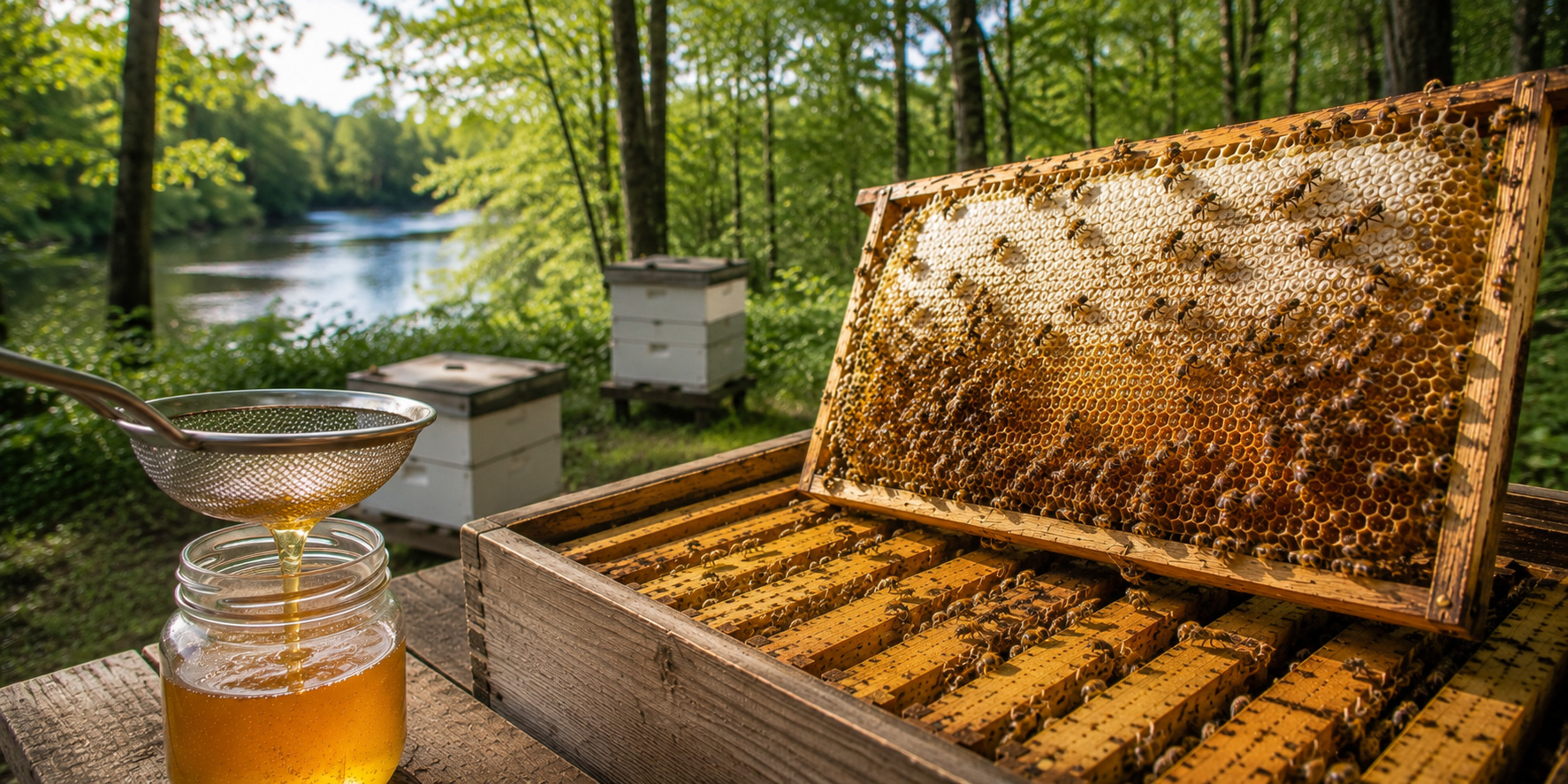
Raw Tupelo honey is valued for its naturally sweet flavor, smooth texture, and simple ingredient profile. Produced from the nectar of Ogeechee Tupelo blossoms, it contains naturally occurring carbohydrates along with small amounts of vitamins, minerals, enzymes, amino acids, and antioxidants that are found in raw honey. Explore the nutritional facts of Tupelo honey and learn how it fits into a balanced diet.
Nutritional Information
While the exact nutritional values may vary slightly depending on the harvest, raw Tupelo honey primarily contains naturally occurring carbohydrates and sugars.
Nutrient
Typical Amount (Per Tablespoon)
Calories
About 60 to 65
Total Carbohydrates
About 17 grams
Natural Sugars
About 17 grams
Fat
0 grams
Protein
0 grams
Sodium
0 milligrams
Values are approximate and may vary slightly between harvests.
Naturally Occurring Nutrients
In addition to natural sugars,
raw Tupelo honey contains small amounts of naturally occurring compounds, including:
Antioxidants
Amino acids
Enzymes
Organic acids
Trace minerals
Plant compounds
Small amounts of B vitamins
Vitamin C in trace quantities
Because honey is consumed in small servings, these nutrients are present in modest amounts.
Frequently Asked Questions
One tablespoon of Tupelo honey typically contains about 60 to 65 calories, although this can vary slightly by harvest.
No. Pure raw Tupelo honey contains naturally occurring sugars and should not contain added sweeteners.
Tupelo honey has a naturally high fructose content, which helps it resist crystallization longer than many other honey varieties.
Raw Tupelo honey contains small amounts of naturally occurring vitamins, minerals, enzymes, antioxidants, and amino acids.
Pure Tupelo honey is naturally gluten free. However, individuals with specific dietary concerns should always check product labeling.
 850-510-6455
 Search
 My Account